When to Visit Nepal: A Month-by-Month Guide to Weather, Festivals and Adventures
Nepal changes its character with the seasons. Spring brings flowering trails, summer turns the hills green, autumn opens up mountain views, and winter invites slower journeys through historic towns and quieter landscapes. For most travellers, March–April and October–November are strong starting points. Nepal Tourism Board identifies spring and autumn as favourable trekking seasons, with especially clear skies often arriving after the monsoon in October and November. This month-by-month guide will help you choose when to travel, what to expect and how to build a Nepal holiday around your interests.
Nepal’s Travel Seasons at a Glance: -
January: Heritage Walks and a Quieter Pace
January suits travellers who enjoy crisp mornings, unhurried sightseeing and evenings over a warm meal. Kathmandu Valley offers plenty to explore, from the courtyards of Patan to Bhaktapur’s streets and the sacred sites of Kathmandu.
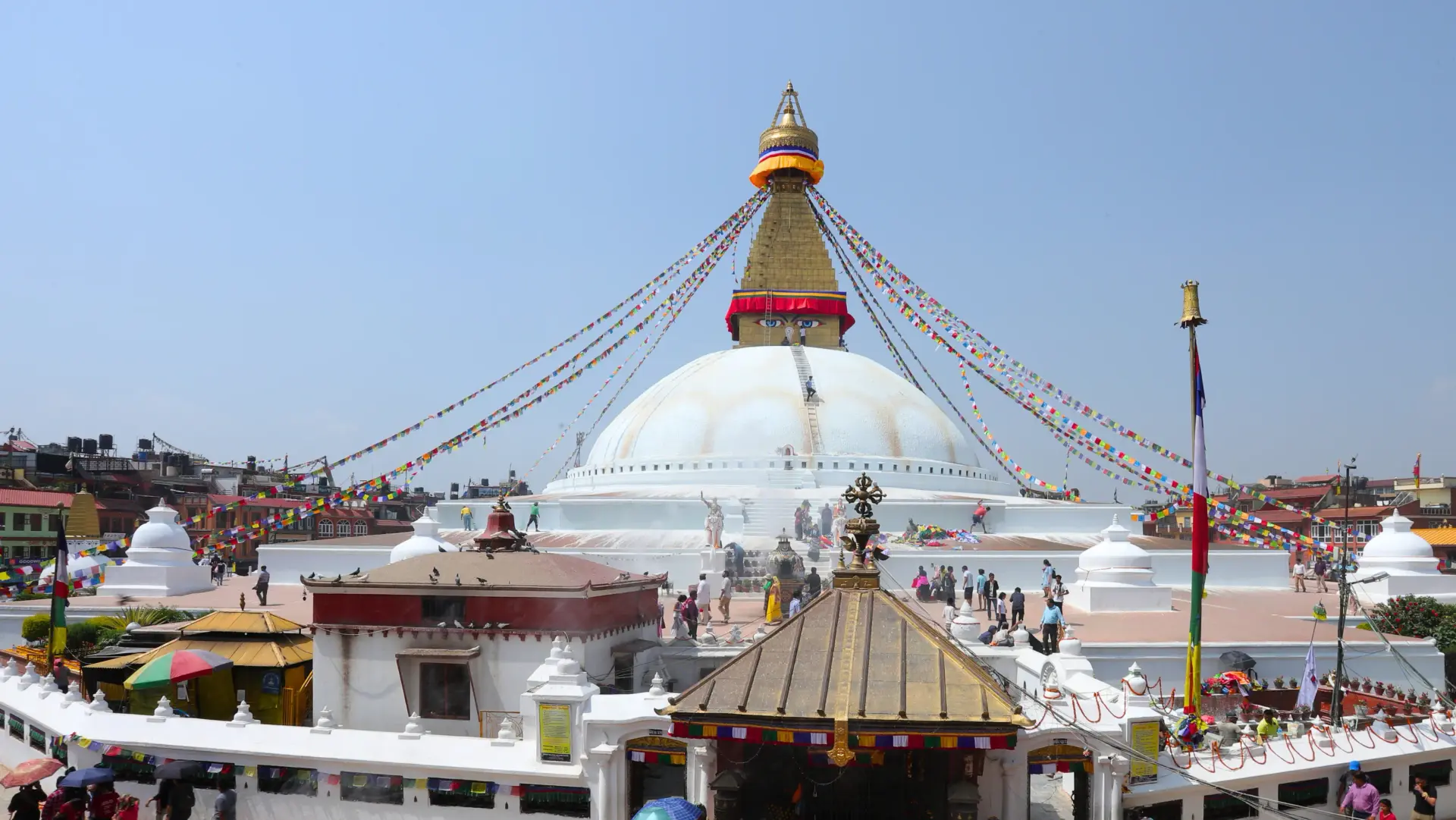
A winter itinerary can combine heritage visits with Pokhara or a stay in Chitwan. Chitwan offers guided wildlife activities, birdwatching and jungle experiences, although animal sightings are never guaranteed. For trekking, choose the route carefully. A short walk at a lower elevation can be more practical than a journey involving exposed high passes.
Planning tip: Pack warm layers and ask about heating and bedding before choosing accommodation.
February: A Gentle Transition Towards Spring
February offers an alternative for visitors who prefer travelling before the main spring season. Winter still influences mountain conditions, but a trip centred on towns, villages and shorter walks can work well. Consider a Kathmandu Valley tour with time in Nagarkot, or combine Pokhara sightseeing with a short guided hike. Keep mountain plans flexible, especially where snow or ice could affect the route.
Planning tip: Check the highest elevation on your itinerary. Two trips described as “short treks” can have very different winter conditions.
March: Spring Opens Up the Possibilities
March is a useful month for combining Nepal’s cultural and outdoor experiences. You can explore Kathmandu’s heritage, spend time beside the lake in Pokhara and add a trek without committing the entire holiday to mountain travel. Spring is also associated with rhododendron flowering, although the timing varies with elevation and weather. For a first Nepal holiday, consider a city tour followed by a manageable trek. More experienced walkers can explore longer routes suited to their fitness, available time and current trail conditions.
Planning tip: Choose your trekking route before booking flights so the holiday allows enough time for walking, rest and transport.
April: Longer Days and Varied Adventures
April is a strong option for travellers who want an active itinerary. A holiday might include heritage walks, several days on a trekking trail and time to relax in Pokhara. Lower destinations become warmer, making early sightseeing starts useful. In the mountains, comfortable daytime walking does not mean warm nights, so keep insulating layers in your packing list. April can also be an interesting month for cultural travel around Nepali New Year. Confirm local celebrations for your travel year before building your schedule around an event.
Planning tip: Allow time to enjoy each destination. A trek, Kathmandu tour and Chitwan visit can become rushed if squeezed into a short holiday.
May: Mountain Journeys Before the Rains
May brings increasing warmth to lower elevations. Haze and afternoon showers can affect views, so travellers should approach mountain photography with realistic expectations. Trekking may still be possible on suitable routes, but your choice should account for altitude, weather and the approaching monsoon. For city tours, early starts and relaxed afternoons can make the day more comfortable.
Planning tip: Include a spare day around weather-dependent flights and avoid placing essential connections too close together.
June: Green Hills and Changing Travel Conditions
June marks the transition towards the rainy season. Landscapes become greener, but rain can complicate road journeys, flights and outdoor activities. A cultural itinerary with flexible sightseeing days can be a sensible choice. Kathmandu’s temples, museums, craft traditions and food experiences give you options when the weather changes. Travellers interested in Mustang can discuss a route adapted to the season. Its relatively dry setting does not remove the possibility of disruptions on the journey there.
Planning tip: Check the entire travel route, including access roads and flights, rather than considering only the weather at your destination.
July: Nepal at Its Greenest
July is better approached as a month for flexible exploration than for an itinerary built around daily mountain views. Rain can make ordinary journeys take longer. Keep fewer destinations in your plan and allow time for changing conditions. A Kathmandu-based holiday can focus on heritage, local food and indoor cultural activities between showers. If trekking is your main purpose, discuss current conditions and suitable alternatives before committing to a route.
Planning tip: Carry waterproof protection for your belongings and leave room in the itinerary for delays.
August: Culture, Food and Slower Travel
August continues the monsoon pattern across much of Nepal. It can suit visitors who enjoy spending more time in one place, exploring local neighbourhoods and discovering how daily life changes with the rain. Rather than moving between several distant destinations, consider a more focused holiday. Heritage walks, cooking experiences and visits to local craft workshops can give the trip a clear purpose.
Planning tip: Ask which activities can be moved to another day if heavy rain affects your plans.
September: The Shift Towards Autumn
September is a transition month. Early September can still bring substantial rain, while conditions may improve later in the month. The timing of that improvement varies each year. Travellers considering late-September trekking should check recent trail reports and transport conditions. Avoid assuming that an autumn date automatically means dry weather. Kathmandu’s festival calendar may also add interest to a September visit, depending on the year.
Planning tip: Keep your arrival schedule flexible and make final route decisions using current local information.
October: A Strong Choice for a First Nepal Holiday
October offers an appealing balance for travellers who want mountain scenery, walking and cultural sightseeing in one journey. For a tour-focused holiday, consider Kathmandu, Pokhara and Chitwan. If you want to include trekking, decide whether you prefer a short introduction or a longer mountain journey before choosing the rest of the itinerary. Autumn festivals can add another dimension to the trip. They may also affect business hours and domestic travel, so festival visits need advance planning.
Planning tip: Arrange your preferred accommodation and guides early for popular travel dates.
November: Mountain Views and Cooler Evenings
November suits travellers whose priorities include mountain scenery, photography and outdoor exploration. As the month progresses, colder nights become a more significant consideration, particularly at altitude. A tour combining Kathmandu and Pokhara can suit visitors who want Himalayan views without a long trek. Trekkers should assess their route’s elevation and overnight conditions rather than choosing only by the month.
Planning tip: Pack for the coldest overnight stop on your itinerary, not just the weather in Kathmandu.
December: Winter Walks and Cultural Escapes
December invites a slower style of travel. Spend time in Kathmandu Valley, explore Pokhara or add selected lower elevation walks with guidance on current conditions. High mountain journeys require more careful assessment as winter develops. Shorter daylight hours also matter when planning walking distances and transfers. Planning tip: Build your itinerary around comfortable daily distances and choose accommodation with suitable winter facilities.
Planning Your Visit Around Nepal’s Festivals
Nepal’s festivals can turn a sightseeing trip into a more memorable cultural experience. Major celebrations include Holi, Buddha Jayanti, Dashain and Tihar, alongside local jatras and regional traditions. However, festival dates often shift against the Gregorian calendar. Confirm the dates for your travel year rather than relying on a general monthly guide.